
Industry 4 Point O in Physical Security
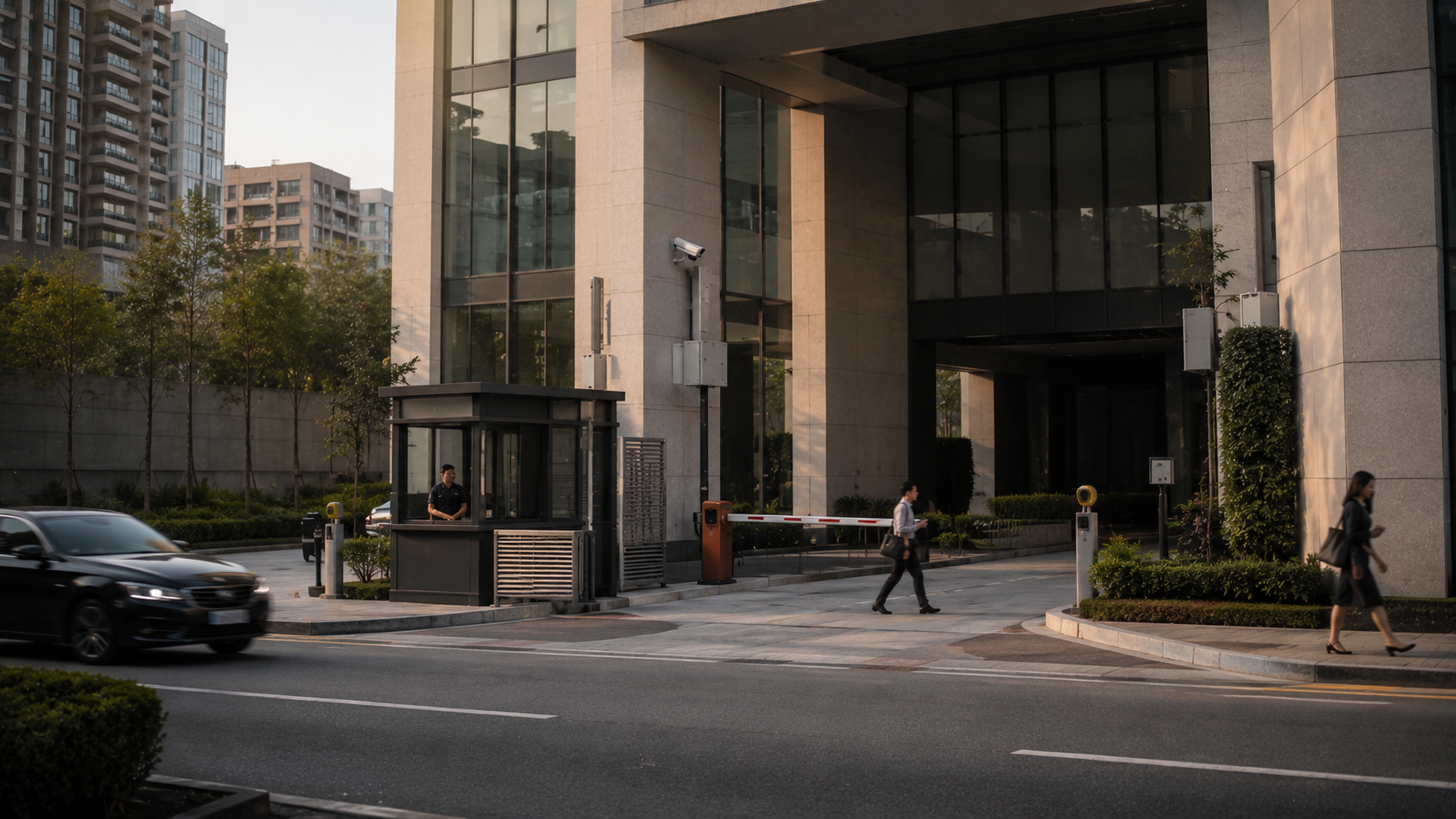
A security camera can record an intruder. But if nobody notices the footage until the next morning, what did it protect?
For years, physical security has depended heavily on guards making rounds, checking entrances and watching camera feeds. Those tasks still matter. The problem is that a person cannot be everywhere at once, and a camera that only records footage may tell you what happened after the damage is done.
Industry 4.0 offers a more connected approach. Cloud based cameras, access control systems, Internet of Things (IoT) sensors, AI analytics and automation can help security teams spot unusual activity and respond while an incident is unfolding.
If you are a Managing Agent (MA) or MCST council member, the useful question is not whether a vendor has the latest technology. It is: will that technology help your team detect a threat, make a decision and act in time?
From Recording Incidents to Responding to Them
Traditional CCTV is often used as a record. When something goes wrong, someone reviews the footage to find out when it happened and who was involved. That can help an investigation, but it cannot prevent an incident that has already taken place.
Connected security systems can shorten the gap between an event and a response. Imagine a restricted door opening late at night. An access control system logs the event, a nearby camera provides a live view, and an alert reaches a security operator. The operator can check whether it is an authorised visit or a possible intrusion, then follow the appropriate response procedure.
This is the shift from passive monitoring to proactive management. The camera, door system and operator each have a role. Their value comes from working together.
What Can AI Analytics Actually Do?
Watching a wall of camera feeds for hours is difficult, even for a trained officer. Important activity can be missed among long periods where nothing happens.
AI video analytics can help by flagging activity that matches defined rules, such as movement in a restricted area or a person entering a space outside permitted hours. Instead of asking an officer to give every camera equal attention, the system draws attention to footage that may need review.
That does not mean every alert is a security threat. A cleaner, contractor or resident could trigger one. A human operator still needs to assess what the footage shows and decide what to do next.
For property managers, this distinction matters. Ask vendors what their analytics are designed to detect, how alerts are checked and how they handle false alarms. “AI powered” sounds impressive in a brochure; a clear response process is more useful at 2 am.
Sensors Add Context Beyond the Camera
A camera shows what is in its field of view. Sensors can tell a security team what is happening elsewhere in the building.
Motion sensors can detect movement in a restricted area. Smart locks and access control systems can record when a door is opened. Environmental sensors can track conditions such as temperature or air quality. When these devices are connected, they give operators more context for assessing an alert.
For example, a camera may show an empty corridor, while a door sensor reports that a nearby plant room has been opened. Together, those signals give the operator a specific area to investigate. Without the connection, the door event might sit in one system while the camera footage sits in another.
Automation can also pass alerts to the right people without waiting for someone to discover the issue during a patrol. The goal is to give the response team timely information and a clear next step.
Does This Mean Fewer Guards?
Rising labour costs make manpower planning a serious concern for property managers. The PDF argues that centralised monitoring and automation can reduce dependence on guards for routine tasks. That is a potential benefit, but the right staffing model depends on the property and its risks.
A residential estate, warehouse and critical facility do not need identical coverage. Some tasks require an officer on site. Others, such as checking access logs or reviewing a camera alert, may be handled by a central operations team.
The better way to assess a proposal is to look at the work that needs to be done. Which areas require a physical presence? Which events can be monitored remotely? Who attends when an incident is confirmed, and how long will that take?
Technology should support a credible response plan. Removing a guard post without answering those questions simply leaves a gap.
Why Centralised Operations Matter
When systems and officers operate separately, it can be hard to establish a complete account of an incident. One person may have seen an alert, another may have checked the site, and a third may have informed the property manager.
A centralised platform can bring those actions into a shared record. It can show when an alert was triggered, who reviewed it and what response followed. That helps managers identify delays, review procedures and hold providers accountable.
It also changes how security performance can be discussed. Rather than measuring a contract only by the number of officers supplied, property managers can ask about outcomes: Were alerts assessed promptly? Were incidents escalated correctly? Was the response documented?
Security as a Service: What Are You Buying?
The PDF describes a growing move towards Security as a Service (SSaaS): a model in which organisations subscribe to a managed combination of security tools and services. This can give businesses access to monitoring, analytics and incident management without building every capability in house.
For a property manager, the appeal is flexibility. A system can be planned around the site’s needs and adjusted as those needs change. But a subscription alone is no guarantee of protection. The scope should make clear what is monitored, when it is monitored, who responds and how performance is reported.
At PATH, the approach is to connect security technology with managed operations. Cameras, sensors and access control provide information; trained people assess it and coordinate the response.
Want to see how cloud cameras, AI analytics and connected sensors can work together in a managed security system?
From Manpower to Managed Security. One operator, total accountability.
Company
Resources